Guided Travel Got a Rebrand. Here’s What It Actually Looks Like Now.
March 17, 2026
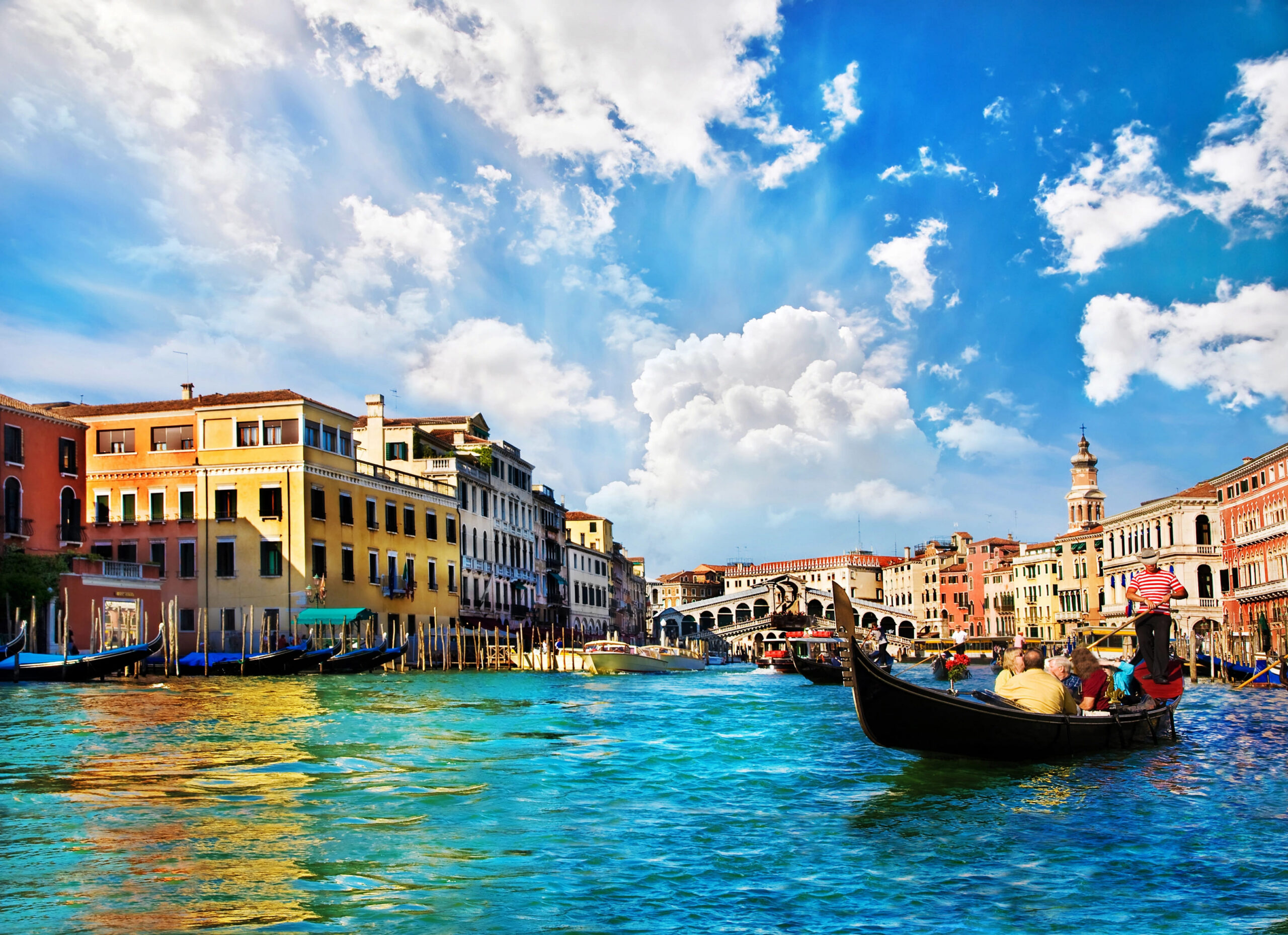
Let’s get one thing out of the way: if your mental image of guided travel involves a motorcoach, a laminated name tag, and someone holding a flag through a crowded piazza — that’s a real product that exists. It’s just not the only one. And it’s definitely not what we do.
There’s a whole category of travel that lives between figuring it all out yourself and following a group wherever it goes. It’s thoughtfully planned without being rigid, expert-backed without being controlling, and designed around what you actually want from a trip — not what’s easiest to book.
That’s the model. Here’s how it works across three very different kinds of travel.
European River Cruising: This Is the Version of Europe People Fall in Love With


You wake up docked. Already in the heart of somewhere that’s been lived in for centuries. You step off the ship and straight into neighborhoods where history isn’t behind glass — it’s in the streets you walk, the buildings you pass, the cafes just opening for the morning.
This isn’t Europe from a bus window. It’s wandering without rushing. Sitting longer than planned. Turning down a side street simply because it looks interesting. Realizing you’re not trying to see everything. You’re actually there.
The Rhine River winds through storybook towns meant for exactly this kind of slow exploration — castles overhead, vineyards on the hills, streets that reward you for slowing down. The Danube connects iconic cities like Vienna and Budapest but also slips you into smaller places you probably wouldn’t build a whole trip around on your own. Which is exactly why they’re so good. The Seine carries you through Paris without rushing you past it, then unwinds into Normandy towns where afternoons invite you to linger. The Douro is shaped more by terraced vineyards and long horizons than any particular city — and that’s entirely the point.
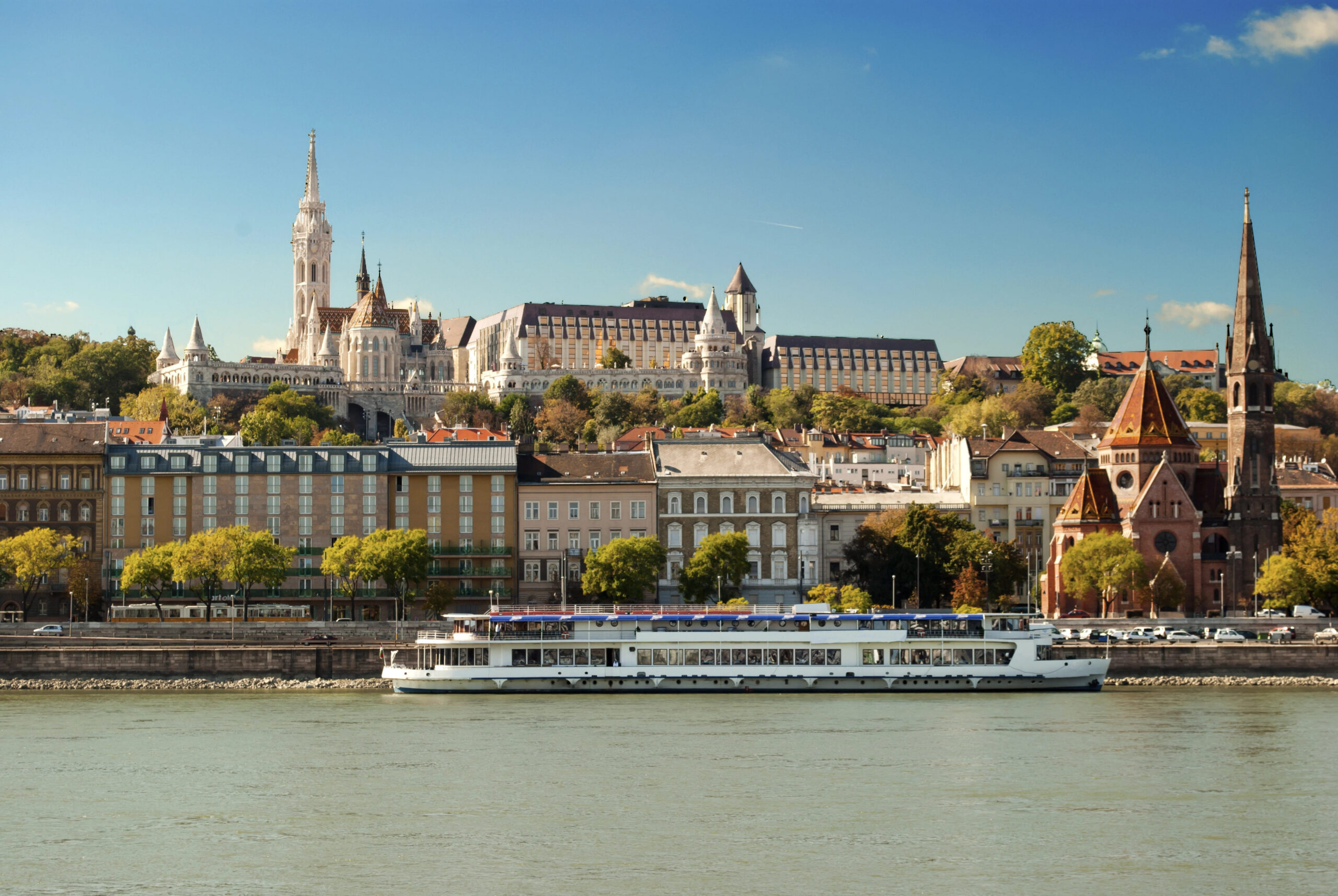
What makes river cruising work for busy people isn’t just the scenery. You unpack once. The logistics of getting from place to place disappear completely, which means your energy goes toward actually experiencing where you are. The structure that needs to be handled is already handled. Your attention goes to the city in front of you, the walk that turns into a coffee stop, the afternoon that unfolds without watching the clock.
A quality European river cruise runs $7,000-$10,000 per person for the kind of experience worth the investment. And on lines like Avalon Waterways, you’re choosing from an average of 22 included excursions per port. Two people on the same ship can have completely different days in the same city. The itinerary handles the logistics. You handle the fun part.
It works especially well for people celebrating something meaningful. An anniversary, a milestone birthday, a long-awaited trip you’ve been putting off. The kind where you want the experience to feel thoughtful, not frantic. If you’re looking for nonstop entertainment and late-night shows, river cruising probably isn’t it. But for the right traveler, it’s not just a way to see Europe. It’s a really satisfying one.
Independent Europe: Your Pace, Backed by People Who Actually Know the Place


Self-guided travel in Europe has evolved well past “book a flight and hope for the best.” When it’s designed well, a self-guided Europe itinerary means your hotels are hand-picked and pre-booked, your transfers are already arranged, and there’s a real human available when something goes sideways. You still wake up every morning and decide what the day looks like. You’re just not doing it without a net.
A self-guided Italy tour through Tuscany and the Amalfi Coast where the only agenda is what you want it to be. A Portugal itinerary that drifts from Lisbon to the Douro Valley at whatever pace feels right. A Scotland road trip with hand-picked accommodations and zero debate about which castle is actually worth the detour. A Switzerland travel experience built around alpine seasons instead of tourist calendars.
These trips feel independent because they are independent. The planning work just happened before you got on the plane, with someone who knows the difference between a great hotel and a well-photographed one. That distinction matters more than people realize until they’re standing in front of a disappointing room with two hours of wasted travel time behind them.
The goal is simple: your energy goes toward experiencing the place, not managing the logistics of getting there.
Expedition Travel: This Is Where “Winging It” Stops Being a Strategy


Some trips are fun to research yourself. And then there are Kenya safaris, Galapagos expedition cruises, Patagonia treks, and Iceland adventure travel. These are the trips where expertise isn’t just convenient. It’s the difference between a good story and one you’ll spend the rest of your life telling.
This isn’t pool decks and production shows. It’s travel on a scale that truly stops you in your tracks. Watching a polar bear patrol the shoreline. Standing quietly among hundreds of penguins in Antarctica as seabirds circle overhead. Stepping ashore from a Zodiac where the only sounds are the wind, water, and your own laughter echoing back. A morning game drive in the Masai Mara, where the wildlife sets the schedule and you follow its lead.Safari days unfold around daylight and animal movement, not jam-packed schedules. Mornings are purposeful. Afternoons are unhurried. Space is built in to simply be where you are and let each experience land before moving on. Because safari isn’t about how much you fit into the day. It’s about how deeply you experience it.
The details here are not interchangeable. On a Kenya safari, the difference between a well-positioned camp in the Masai Mara and a mid-tier lodge can be 50 wildlife sightings versus five. That’s not a rounding error. On a Galapagos expedition cruise, your naturalist guide determines whether you understand what you’re seeing or just photograph it. On a Patagonia trekking tour, timing relative to the season affects weather, trail conditions, and crowd levels in ways that matter enormously when you’ve traveled that far to be there.
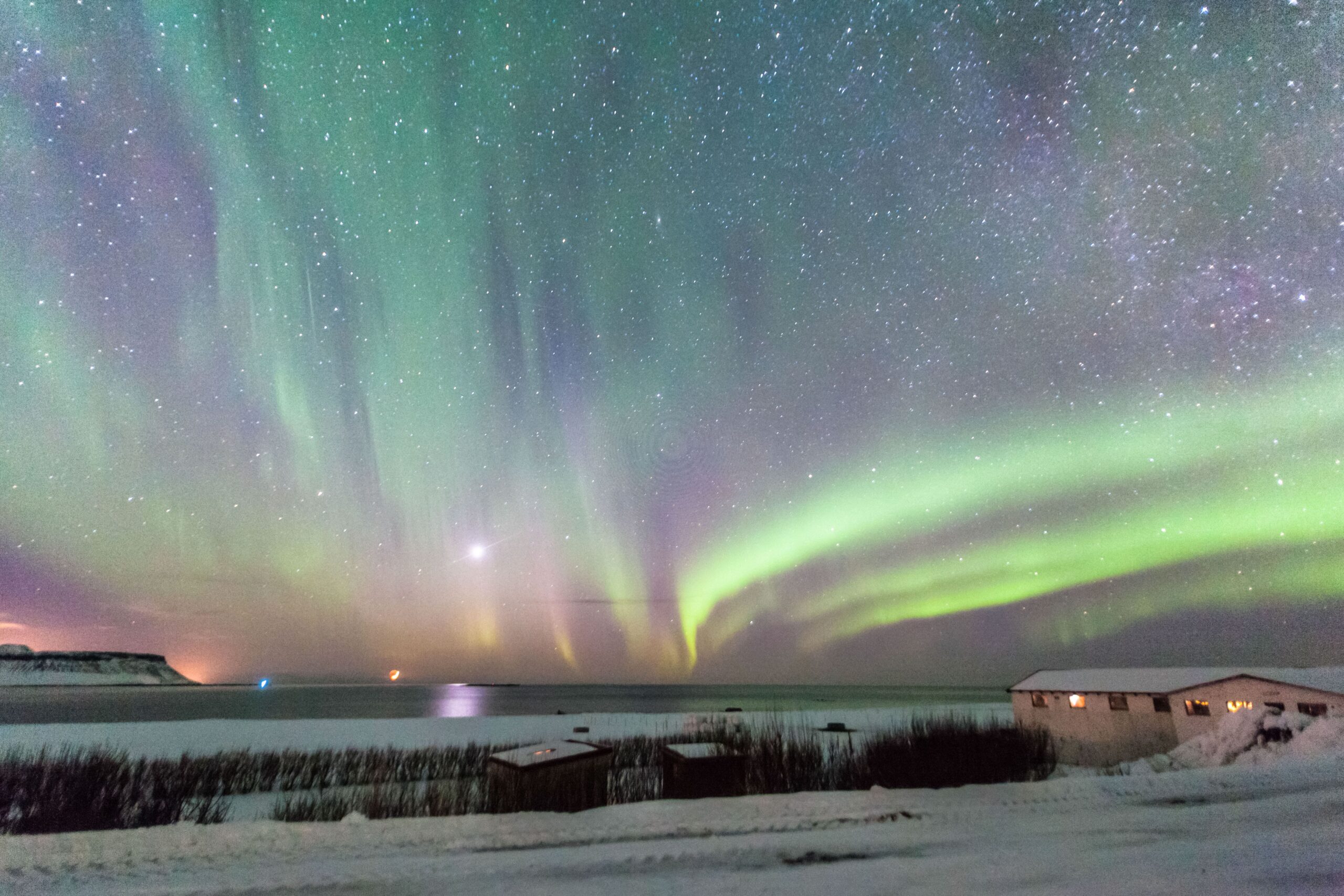
Iceland adventure travel has its own version of this. The Northern Lights are notoriously unpredictable. An itinerary built around the right timing, the right regions, and real backup plans is worth considerably more than a package that puts you in Reykjavik for five nights and crosses its fingers.
Expedition ships carry fewer guests — often 150 to 400 — which means more time on land, more genuine encounters, and access to places larger ships can’t reach. You travel with marine biologists, naturalists, and expedition leaders who turn every landing into something that sticks. But also know when to let the moment breathe on its own.Budget starting point: $10,000+ per person for the kind of expedition that does it justice. Remote doesn’t have to mean roughing it — expect elevated dining, spacious suites, personalized service — just in some of the most extraordinary places on Earth.
What Having the Right Advisor Actually Changes


A booking platform gives you inventory. A great advisor gives you judgment. Those are not the same thing, and the gap gets obvious quickly when something goes sideways.
When a lodge cancels last minute, a flight gets disrupted, or a situation gets complicated at 11pm in a country that isn’t yours, a platform sends you to a FAQ page. An advisor who already knows your trip and your preferences responds in a way an algorithm simply cannot.
More practically: a boutique travel agency that books significant volume with specific suppliers has access to benefits that aren’t available to the general public. Room upgrades, amenity credits, early check-ins, direct relationships with destination managers. Real and recurring, not theoretical. You signed up for a great trip. We help make it a great experience.
Once a client, forever a friend. That line is on our website because it’s actually true.
A Few Honest Questions Before You Book Anything

If you’re deciding whether to plan a trip yourself or work with someone, these tend to clarify things quickly:
- How many vacation days can you afford to lose to a logistics problem?
- How much of your time will the planning itself cost before you even leave?
- Is this a destination where the quality of your experience depends heavily on who planned it and what they know?
- What does it actually cost you if this trip is just fine instead of something you talk about for years?
No wrong answers. But they have a way of pointing you in a direction.
Not Sure Which Style Fits You? That’s What the First Conversation Is For.

At Alpaca Your Bags Travel, we pair your vision with our knowledge of what actually works — whether that’s an Avalon river cruise through the Rhine or Danube, a self-guided adventure through Italy or Portugal, or an expedition to the Galapagos, Kenya, or Patagonia.
Book a free consultation with our team. One conversation is usually all it takes to figure out where to start. And we promise — no flags, no matching visors, and no cookie-cutter itineraries.